
Information flow is the lifeblood of any technology company. The startups that will dominate their markets won't necessarily be those with the most capital or the largest marketing budgets - they'll be the ones with superior technical leadership that enables them to harness information more effectively than their competitors.
The thing is, the business landscape is being reshaped by the digital nervous system. Looking at successful startups across the industry reveals a pattern: those with exceptional technical leadership understand that information technology isn't merely a support function, it's their core strategic advantage. The digital tools we build and how we implement them will determine which companies thrive in the coming decades.
Building Your Digital Nervous System
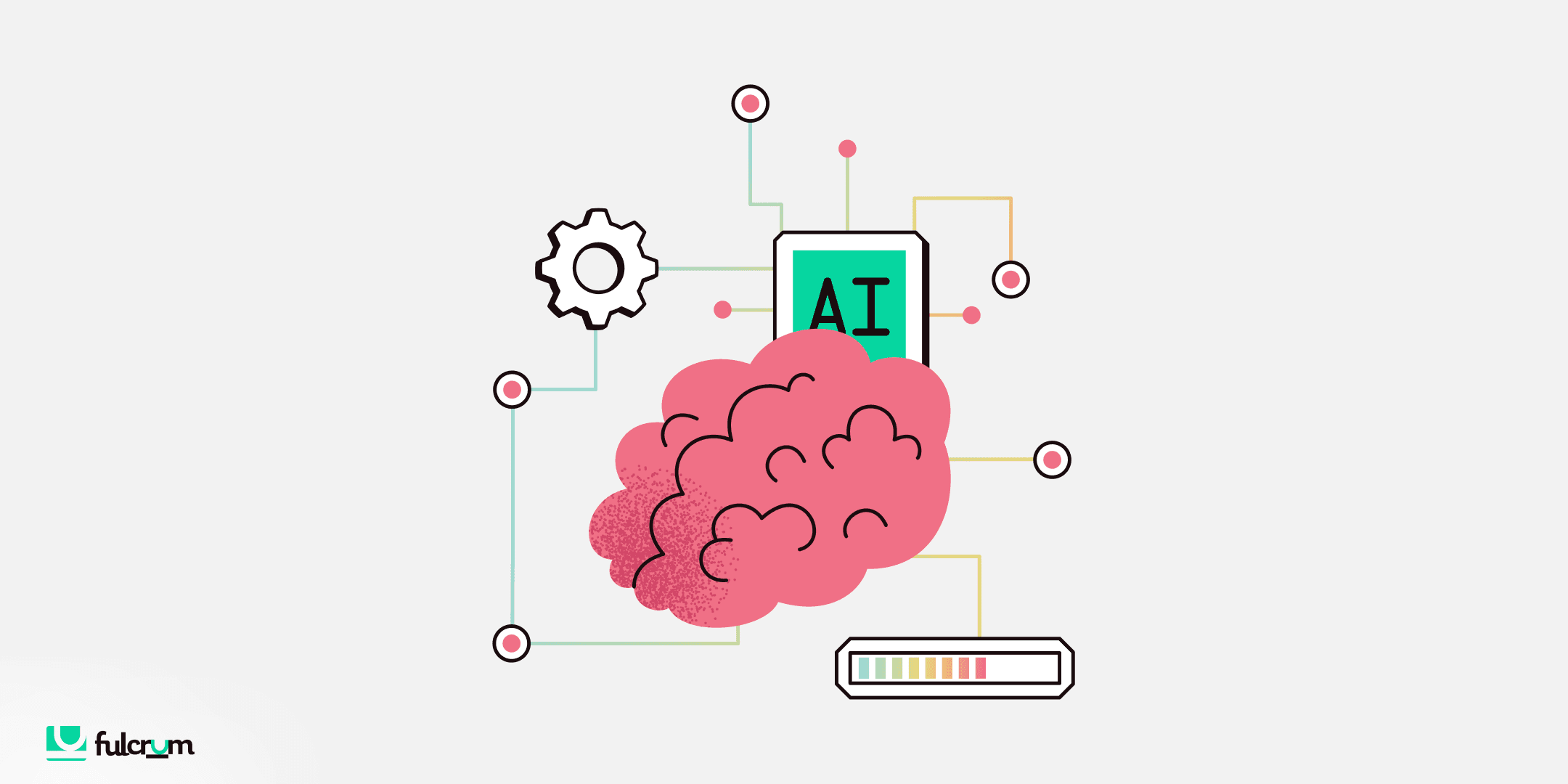
Technical leadership today means creating a digital nervous system that connects every part of your organization, allowing information to flow freely and enabling speed in decision-making that was previously impossible. The most effective technical leaders build systems that turn information into insight and insight into action. They create environments where innovation is inevitable, not accidental. When engineers have access to the right information and feel empowered to experiment, breakthrough products emerge naturally. This approach enables companies to excel in ways that leave their competitors wondering what happened.
The power of strong technical leadership lies in how it bridges business strategy and technological implementation. Through this critical connection, everything accelerates—product development cycles shorten, customer feedback gets incorporated faster, and the business can respond to market changes with unprecedented agility.
However, a well-designed digital nervous system does more than just connect people - it amplifies collective intelligence. It creates digital feedback loops that capture information about customers, products, and operations, then channels this information to the people who can act on it most effectively. These feedback loops become self-reinforcing mechanisms that continuously improve decision quality.
A perfect example of a company that built a strong digital nervous system is Slack. Their technical leadership focused on real-time integrations and seamless data exchange, which allowed teams to collaborate effortlessly across different applications. This integration-first approach helped Slack outcompete legacy communication tools like email and traditional chat apps. Learn more about how Slack scaled.
The architecture of your digital nervous system determines how effectively information flows throughout your organization. Technical leaders need to design systems that help break down information silos, allowing insights from customer support to reach product development, or sales trends to inform manufacturing decisions. This thoughtful integration of communication systems, databases, document repositories, and specialized applications creates the foundation for your information advantage.
Information as Competitive Advantage
This digital nervous system becomes the platform that transforms information into your most significant competitive advantage. Every business process generates data, and every customer interaction creates an opportunity to learn. Companies that build systems to capture this information, analyze it effectively, and share the resulting insights throughout their organization tend to outperform competitors who operate on intuition and incomplete information.
What often separates market leaders from followers in the digital economy is this ability to leverage information effectively. As your organization's digital nervous system matures, decision-making improves in both quality and speed, market opportunities become visible sooner, and responses to competitive threats become more effective. This capability becomes self-reinforcing, as better decisions lead to better market position, which generates more valuable data, enabling even better decisions in a continuous cycle of improvement.
The most thoughtful technical leaders recognize that information architecture is as important as software architecture. They build systems that help ensure the right information reaches the right people at the right time. These leaders implement dashboards that surface key metrics and trends, making the company's status visible to everyone, while creating knowledge management systems that prevent the same problems from being solved repeatedly.
The democratization of information creates another powerful advantage. When frontline employees have access to relevant data and insights, they can make better decisions without escalating issues through management hierarchies. This empowerment depends on technical leadership that creates secure, role-appropriate access to information systems, along with training and tools that help everyone in the organization become more comfortable working with data.
Information doesn't just help you understand what has happened. Increasingly, it allows you to anticipate what might happen. Technical leaders who implement analytics capabilities that move from descriptive (what happened) to predictive (what might happen) to prescriptive (what we might do about it) create organizations that can anticipate market changes rather than merely react to them. This capability becomes increasingly valuable as markets move faster and competition intensifies.
Building Your Digital Nervous System
For this digital nervous system to function effectively and information to become a true competitive advantage, you need technical teams specifically built for scale. The caliber and composition of these teams help determine how well your company can capture, process, and leverage information as you grow.
Building technical teams that can scale effectively involves hiring people who combine technical expertise with problem-solving skills and business acumen. These diverse teams often outperform homogeneous ones because they bring different perspectives to complex problems. The key is prioritizing aptitude and attitude over specific technical skills that may become obsolete over time. One company that has mastered the art of scaling technical teams is GitHub. By focusing on open-source collaboration, decentralized decision-making, and continuous integration practices, GitHub built a culture of innovation and rapid problem-solving. Their technical leadership model enabled engineers to work asynchronously across different time zones without sacrificing productivity.
As these teams form the foundation of your technological capability, they need to continuously evolve. In the information age, continuous learning is a business necessity. Forward-thinking organizations create knowledge-sharing systems that allow insights to spread rapidly throughout the company. When technical leaders actively demonstrate their commitment to learning, it naturally establishes a culture where everyone continually upgrades their skills and knowledge, further strengthening the organization's ability to leverage information effectively.
The teams that build and maintain your digital nervous system must themselves operate as information-processing networks. The best technical leaders understand that scaling isn't just about adding more people - it's about creating the right organizational structures. As technical teams grow, they implement models that maintain agility while providing necessary coordination. They create specialized teams with clear interfaces between them, establish architectural guidelines that enable independent work while ensuring system coherence, and implement development processes that balance autonomy with alignment.
Also, as technical organizations scale, communication patterns become particularly important. Leaders need to establish mechanisms that facilitate information sharing without overwhelming people with too much data.
It comes down to combining deep expertise in critical areas with broad knowledge across disciplines. Technical leaders foster this by creating opportunities for specialists to work across boundaries, implementing rotation programs that expose team members to different aspects of the business, and recognizing contributions that bridge traditional silos. This balanced approach creates teams that can address the complex challenges of building sophisticated information systems that drive competitive advantage.
The Key to Sustainable Growth
As the digital economy continues to evolve, thoughtful technical leadership will increasingly separate market leaders from followers. The organizations that thrive will be those that understand the relationship between their digital nervous system, information advantage, and technical teams. These three elements, when aligned through effective technical leadership, create a foundation for sustainable growth that competitors find difficult to replicate.
The successful companies won't just adapt to the digital future, they'll help create it. They'll build systems that enable them to perceive changes in their markets sooner, make decisions more thoughtfully, and implement changes more effectively than their competitors. They'll develop information capabilities that transform data into a strategic asset. And they'll build technical teams specifically designed to enhance these advantages as they scale.
This is the essence of business at the speed of thought, and it begins with exceptional technical leadership that understands how to bring these elements together into a coherent whole.
The technical leaders who understand this integration will help guide the companies that shape their industries in the years to come. If you’re looking to scale your startup but need the right technical leadership to drive growth, we’re here to help.